The Fitting Room
Handloom, sarongs and temple shoulders: what Sri Lanka asks you to wear
Barefoot’s stripes, Selyn’s fair-trade handloom and the temple rule: one bag for beach and shrine.
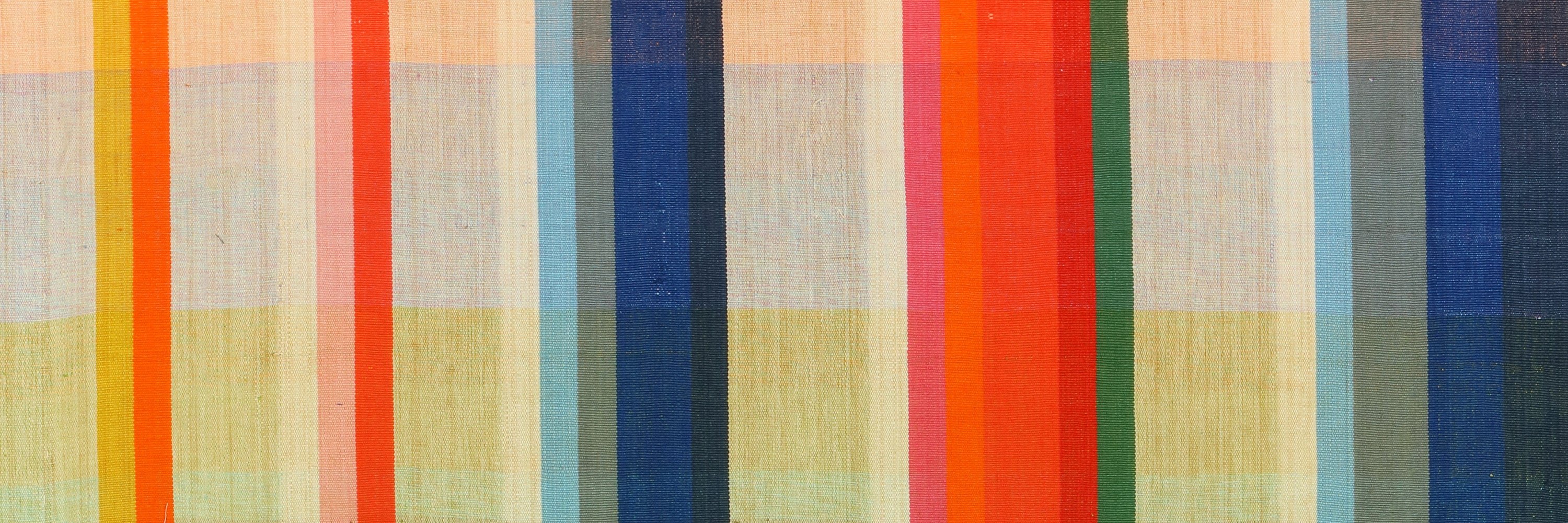
Photo Credit
Image courtesy of © BarefootTwo authorities set Sri Lanka’s dress code: the sun and the temple. The answer to both is cloth the island has been weaving by hand for generations, sold by an artist’s company that began in a convent workshop and a fair-trade label that began in a garage. Here is what to pack, what to buy on arrival and the one rule a beach wardrobe must survive.
An artist at the loom
Barefoot’s cloth began with a painter. In the early 1960s Barbara Sansoni, born in Kandy, was asked by the Sisters of the Order of the Good Shepherd to design cloth for their weaving centres. She travelled the island sketching, turned what she saw into bold colour and simple geometry, and sold the first cloth from home. A second shop, called Barefoot and selling her first collection of clothes, opened at Galle Face Court in the late 1960s.
Barefoot still weaves mainly cotton, with a little silk, in centres it manages, colours the yarn in its own dye plant and makes it up into clothes, linen and bags. There are no factories and no production lines, the company says, and each weaver answers for the finished piece. Its shop sells sarongs, shawls and beach wraps; the stripes are what a sunset would look like if it had studied geometry.
From a garage to the beach
Selyn has the better origin story. Sandra Wanduragala, an attorney-at-law, started it in her home garage in 1991, with 15 women in Wanduragala village near Kurunegala. Today it is World Fair Trade Guaranteed and sells handloom sarees, lungis, sarongs, shirts, shawls and beach wraps. Few companies that began between a car and a lawnmower now dress so many people for the sea.
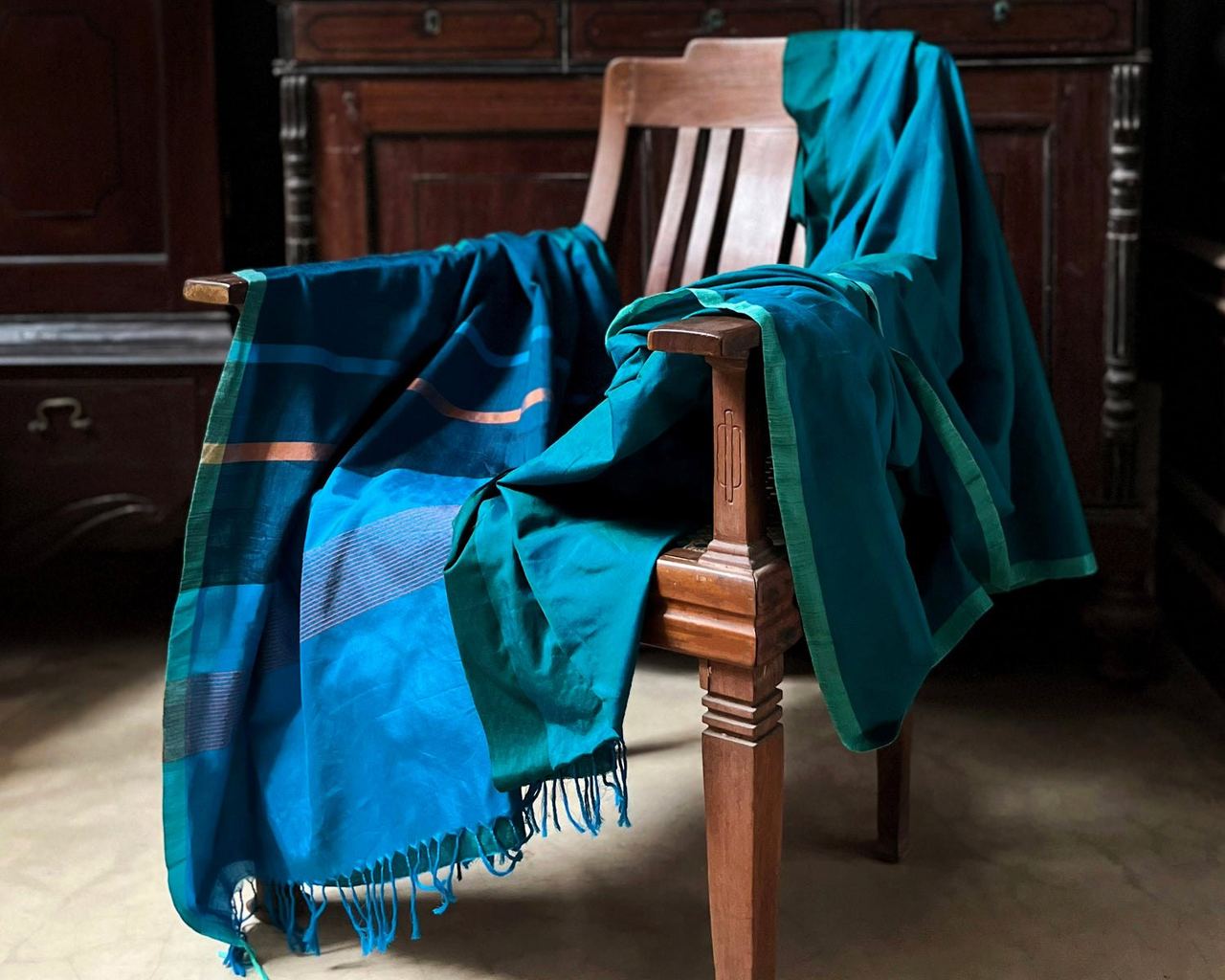
Photo Credit
Image courtesy of © BarefootWhy does handloom cotton suit this island so well? Because cotton woven by hand breathes in a way a tight synthetic never will, and on a hot afternoon in Colombo that is the whole of fashion. A sarong is also the most adaptable garment in the bag: a beach wrap at noon, a long skirt by evening, and a cover for the knees whenever a shrine appears on the road.
The department-store fix
If the suitcase was packed for another climate, ODEL, Sri Lanka’s best-known lifestyle department store, with its flagship at Alexandra Place in Colombo 7, is the quick repair. Its own pages run from swim and beachwear to kaftans and tunics, shirts and shorts, sandals and hats. It is the one stop where you can buy a swimsuit and something respectable for the temple without changing shops.
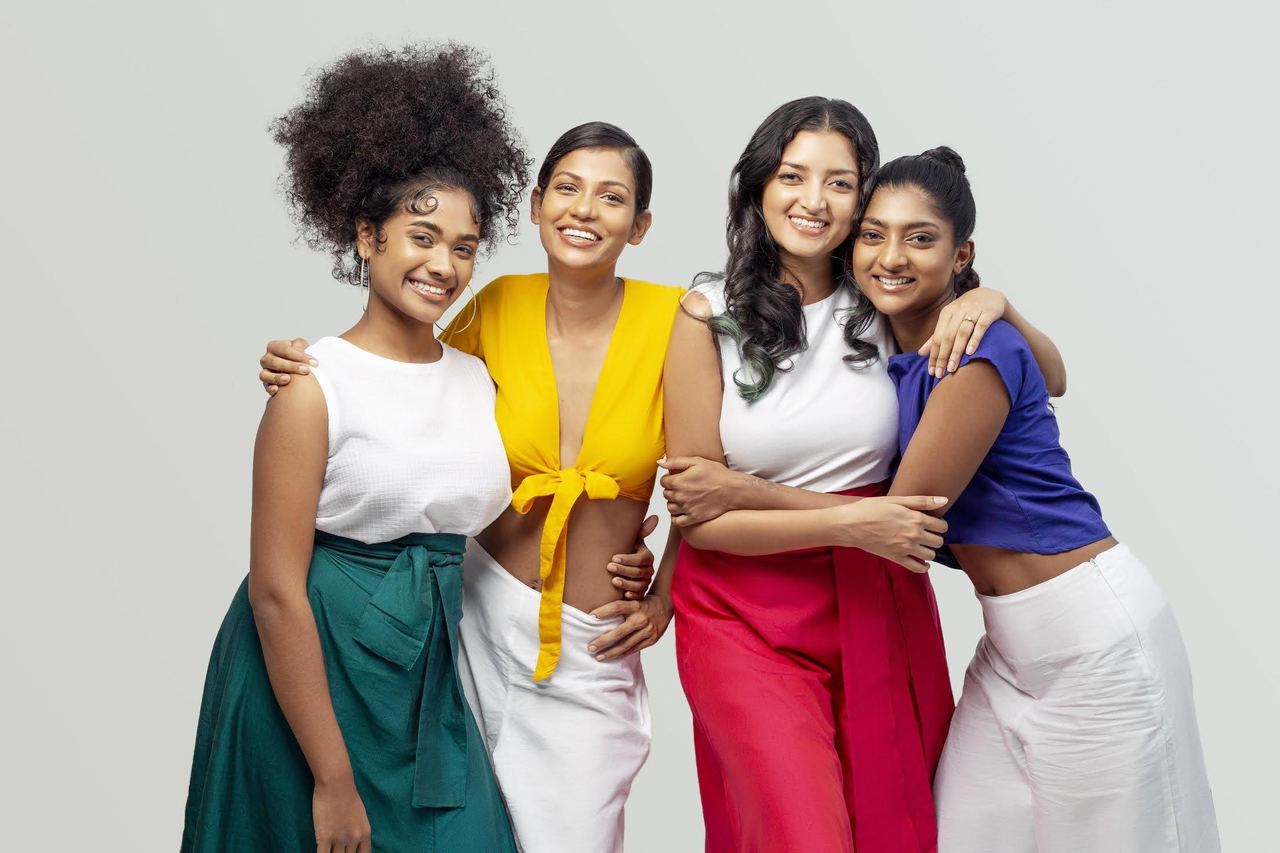
Photo Credit
Image courtesy of © SelynThe temple rule
Then there is the other authority. The Temple of the Sacred Tooth Relic in Kandy asks visitors to be respectfully attired, and states that visitors in shorts, sleeveless tops or body-revealing clothes are not permitted. Suitable clothing is available at the entrances. Footwear is handed in at the reception booths for a token, and everyone passes through security scanners. Tickets, too, come only from the machines on site.
A shawl that looked like a souvenir in the shop becomes, at the temple gate, a ticket in.
So a Sri Lankan wardrobe needs only one thing the beach does not: sleeves and length on demand. A shawl from Barefoot over the shoulders, a Selyn sarong tied long, and you are dressed for both the shore and the shrine. A shawl that looked like a souvenir in the shop becomes, at the temple gate, a ticket in.
Grooming has its own list: the island’s spas and Ayurveda houses are in Spas, and Spa Ceylon’s Ayurveda-inspired bath and body products sit in our Shopping list: the rare souvenir that actually gets used.
Our advice: pack light cotton and linen, leave room in the case, and buy the colour here, at Barefoot on Galle Road and at Selyn. Keep one long, light layer in your day bag at all times: on this island, the next temple is rarely more than a bend in the road away.
Why it's on our list
- An artist’s stripes, woven by hand
- From a garage to the beach
- The temple rule, word for word
Location
The map comes from Google Maps, which sets its own cookies once it loads.
More in depth
 The back storySri Lankan CuisineCinnamon, goraka and Maldive fish; hoppers, kottu, ambul thiyal, watalappan and where to eat them.
 The back storyKottu, hoppers and short eats: Sri Lankan street foodThe dishes you will eat every day, from kottu to egg hoppers.
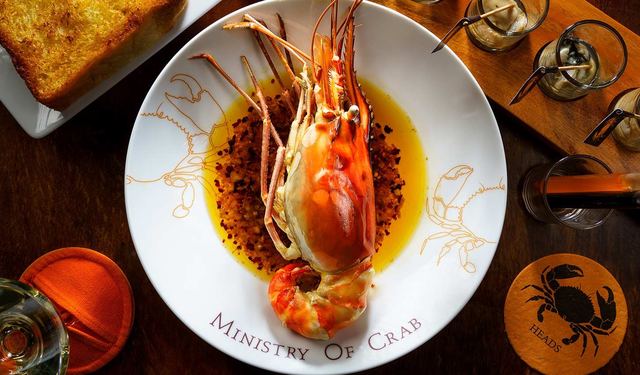 Lagoon crab, the Colombo iconMinistry of CrabThe famous crab restaurant in the Old Dutch Hospital.