The back story
From coffee rust to a flat white: Sri Lanka’s cafés, the back story
A coffee island turned to tea after the 1869 rust; now the island’s own coffee is back in its cafés.
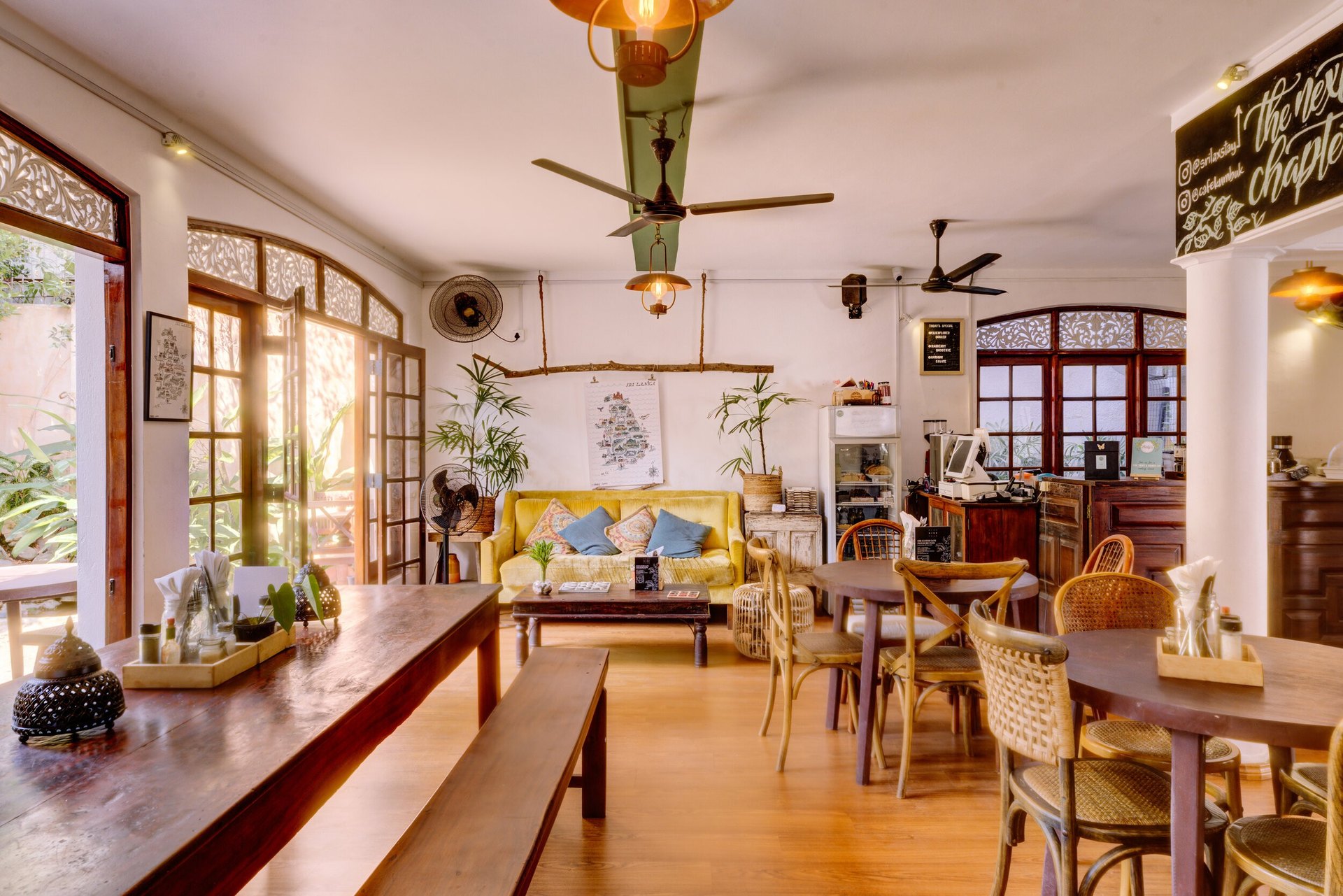
Photo Credit
Image courtesy of © Café KumbukCeylon was a coffee island until a fungus arrived in 1869 and the planters turned to tea. A century and a half later, Colombo’s cafés pour coffee grown on the island again, in garden courtyards that have outlasted the blight. Here is how the café found its place in a tea country, from Taylor’s first 19 acres to Sunday Jazz behind Barefoot, from official sources checked in November 2026.
A coffee island first
Long before anyone here asked for a flat white, Ceylon was a coffee island. Until the 1860s, the Ceylon Tea Museum records, coffee was the main crop grown on the island, and it was the chief export. Then, in 1869, the coffee-rust fungus Hemileia vastatrix arrived and killed most of the plants. It is hard to imagine a crueller way to change a nation’s drinking habits.
The planters had a fallback already in the ground. The owners of Loolecondera Estate had been interested in tea since the late 1850s, and in 1867 James Taylor began a 19-acre tea plantation there. A fully equipped tea factory followed in 1872, and in 1873 twenty-three pounds of his tea reached London. By the late 1880s, the Sri Lanka Tea Board says, almost all the coffee estates had been turned over to tea.
How tea took the table
By 1899 nearly 400,000 acres were under tea, and the first public Colombo tea auction had been held in 1883, on the property of Somerville & Co. So the island’s break has been a cup of tea for well over a century. In Colombo Fort, The t-Lounge by Dilmah keeps that tradition in town clothes: Dilmah, founded in 1985 by the tea maker Merrill J. Fernando, pairs its teas with light snacks and tea-inspired food.
Barefoot Garden Café shows how a Colombo café grows. It began in the early 1990s with a simple menu behind the Barefoot shop and soon became a restaurant, shaded, naturally cooled and quiet enough for birdsong. The Sunday Jazz there has run for 20 years. It opens from 10am to 7pm, Monday to Saturday, and from 10am to 6pm on Sundays and Poya days.
Coffee comes home
The twist in the story is that coffee came back, and much of it is Sri Lankan again. Café Kumbuk opened in March 2016 in a small house on Thambiah Avenue, off Independence Avenue in Colombo 7. Its coffee is grown and roasted on the island by Temple Grounds, and its kitchen avoids refined white sugar. It opens from 9am to 6pm and closes on Tuesdays, so plan your Arcade morning around it.
Coffee simply walked back in through the garden gate, a century and a half after the fungus showed it out. Tea did not leave, either: Barefoot’s menu still lists teas beside the coffee.
A few streets away, London House of Coffee on Gregory’s Road roasts its own beans, and its founder’s message recalls the mid-1800s, when Ceylon was a great coffee exporter; it has a sister café on Guildford High Street, in England. Black Cat, on Wijerama Mawatha, calls its café the heart of the house, with five rooms upstairs and evenings of music, dinners and talks.
Down the coast and up in the hills
On the south coast, Kat’s Coffee on Temple Road at Talpe pours Soul Coffee, a locally sourced 100% Arabica, beside cakes made with seasonal, local ingredients. It closes on Tuesdays and Wednesdays and opens at 8:30am on Sundays. In tea country, the surprise is Café Chill in Ella: opened in 2009, it serves from 8:30am until 2am every day, so a tea town keeps its coffee going long after dark.
Why does a tea island need cafés at all? Because the café here was never only about the cup. From the Barefoot garden to the Kumbuk courtyard, it is the shaded room in a hot city, a garden with a menu. Coffee simply walked back in through the garden gate, a century and a half after the fungus showed it out. Tea did not leave, either: Barefoot’s menu still lists teas beside the coffee.
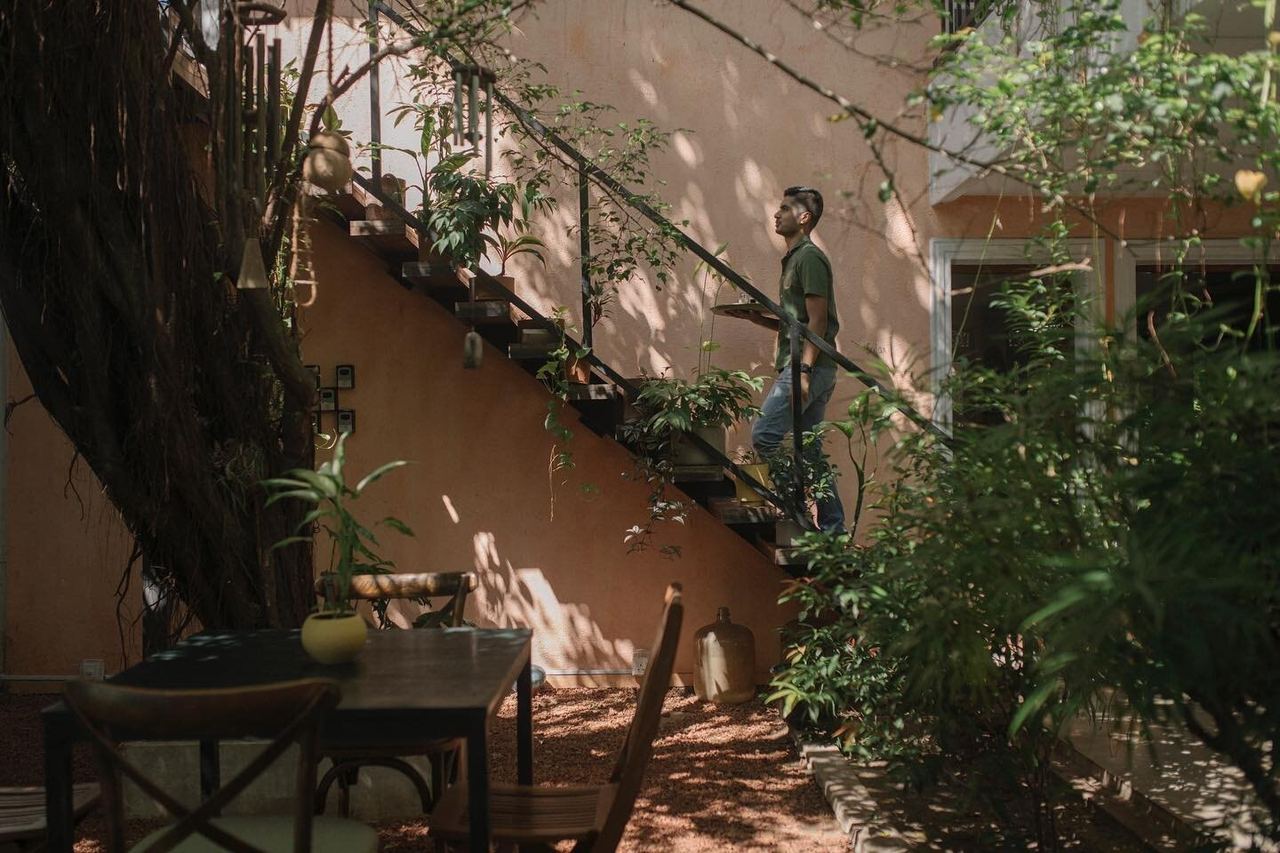
Photo Credit
Image courtesy of © Café KumbukOur advice: have tea where tea is the point, at The t-Lounge by Dilmah, and coffee where the beans are local, at Café Kumbuk or Kat’s Coffee. Check opening days before you go: several of these cafés close one weekday, and Barefoot’s Sunday Jazz is worth building a Sunday around.
Why it's on our list
- A coffee island first
- How tea took the table
- Coffee comes home
- Down the coast and up in the hills
Location
The map comes from Google Maps, which sets its own cookies once it loads.


